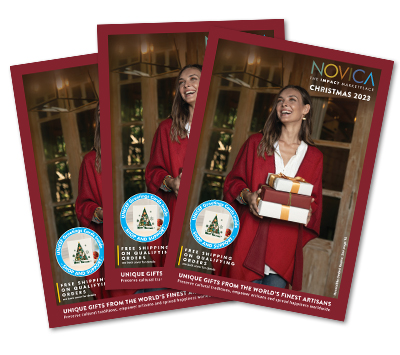
Over $143 million USD sent to artisans so far!
 Artisan Subscription Box
 Passport Club


-
-
Unique Gifts

5,000 of our very best gifts
organized by recipients & interest -
Curated Gift Boxes

Our experts have put together
the best of the gift sets for you -
Build Your Own Gift Sets

We'll help you build your own
amazing gift sets -

Express Gifts
Get them in 2-4 business days!

-
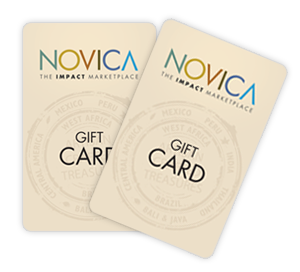
Gift Cards
Everyone loves them
-
-
-
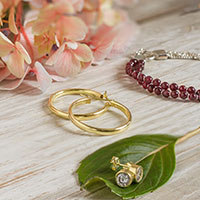
- All Jewellery
-
- All Women's Jewellery
- Earrings
- Bracelets
- Necklaces
- Rings
- Jewellery Sets
- Anklets
- Pendants
- Brooches
- Toe Rings
- Ear Cuffs
- Jewellery Storage
-
-
-
- Animal Themed
- Birthstones
- Bohemian
- Bridal Jewellery
- Eco-Friendly
- Floral
- Heart Shaped
- Hill Tribe
- Chakra
-
-
-
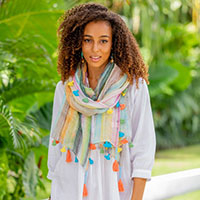
- All Fashion
-
- All Women's Clothing
- Sweaters
- Blouses
- Ponchos
- Tunics
- Dresses
- Pants
- Robes
- Skirts
- Wraps & Ruanas
- Jackets & Coats
-
-
-
- All Handbags
- Shoulder Bags
- Totes
- Clutches
- Slings
- Leather Handbags
- Cotton Handbags
- Upcycled Handbags
- Travel Bags
- Yoga Bags
-
-
-
- All Home
-
- All Home Accessories
- Games & Puzzles
- Decorative Boxes
- Journals
- Musical Instruments
- Picture Frames
- Vases
- Catchalls & Trays
- Home Accents
- Gadgets & Gear
- Holiday Decor & Ornaments
- Decorative Hardware
- Pet Supplies
-
- All Home Furnishings
- Area Rugs
- Furniture
- Hammocks
- Lamps & Lighting
- Mirrors
- Outdoor
- Pillows & Throws
- Relief Panels
- Tapestries
- Wall Decor
- Masks
- Sculptures & Carvings
-
-
-
-

-
- All Paintings
-
- Abstract Paintings
- Cubist Paintings
- Realist Paintings
- Impressionist Paintings
- Expressionist Paintings
- Naif Paintings
- Modern & Freestyle
- Surrealist Paintings
- Photography
- Prints
-
- People & Portraits
- Still Life
- Landscapes
- Seascapes
- Flowers & Plants
- Animals
- Artistic Nudes
- Dance & Music
- Religious & Spiritual
-
- Multicolour
- Blue or Purple
- Primary Colours
- Orange or Yellow
- Earthtones
- Red or Pink
- Black or Gray
- Green
- Black & White
-
-
-


 Account
 New Wishlist

-
-
 Explore, Empower, Impact
- Our Mission
- Our Values
- Our Story
- NOVICA & Fair Trade
- Happiness Projects
-

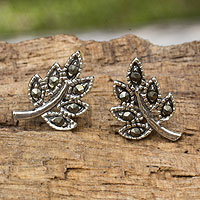 Bestseller

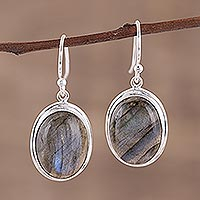 Bestseller
 Bestseller
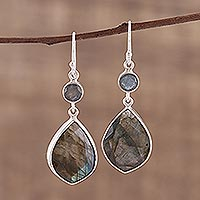
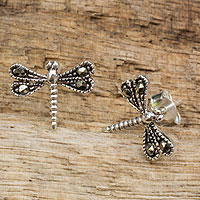
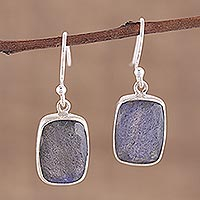 Bestseller
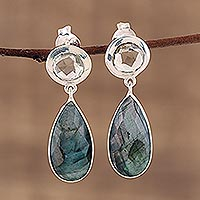
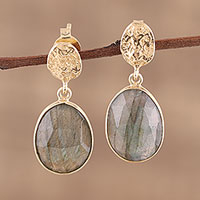
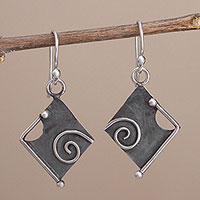
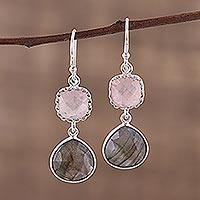
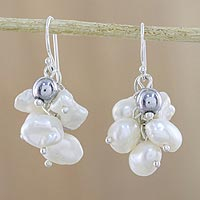
 Bestseller
 Bestseller
 Bestseller

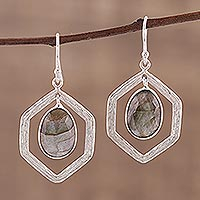
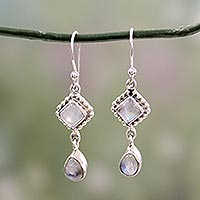
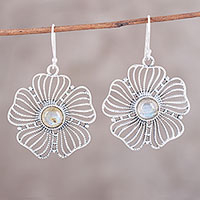
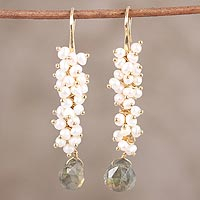
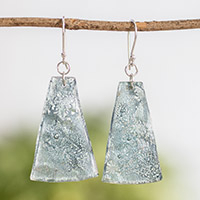
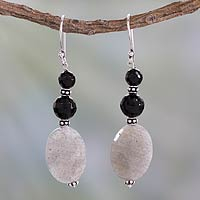
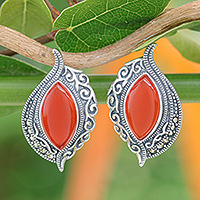 Featured Sale
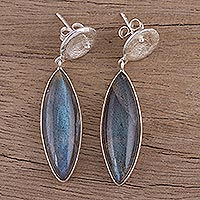
 Coming back