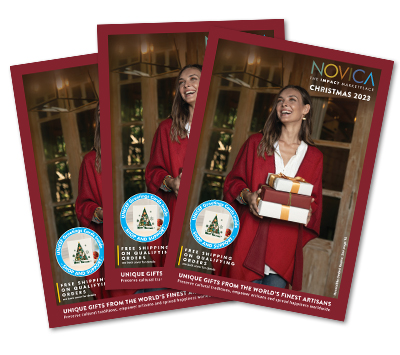
Over $143 million USD sent to artisans so far!
 Artisan Subscription Box
 Passport Club


-
-
Unique Gifts

5,000 of our very best gifts
organized by recipients & interest -
Curated Gift Boxes

Our experts have put together
the best of the gift sets for you -
Build Your Own Gift Sets

We'll help you build your own
amazing gift sets -

Express Gifts
Get them in 2-4 business days!

-
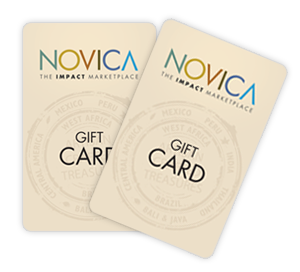
Gift Cards
Everyone loves them
-
-
-
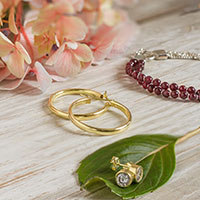
- All Jewellery
-
- All Women's Jewellery
- Earrings
- Bracelets
- Necklaces
- Rings
- Jewellery Sets
- Anklets
- Pendants
- Brooches
- Toe Rings
- Ear Cuffs
- Jewellery Storage
-
-
-
- Animal Themed
- Birthstones
- Bohemian
- Bridal Jewellery
- Eco-Friendly
- Floral
- Heart Shaped
- Hill Tribe
- Chakra
-
-
-
- All Fashion
-
- All Women's Clothing
- Sweaters
- Blouses
- Ponchos
- Tunics
- Dresses
- Pants
- Robes
- Skirts
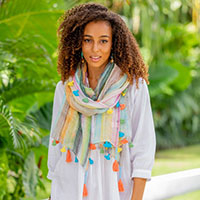
- Wraps & Ruanas
- Jackets & Coats
-
-
-
- All Handbags
- Shoulder Bags
- Totes
- Clutches
- Slings
- Leather Handbags
- Cotton Handbags
- Upcycled Handbags
- Travel Bags
- Yoga Bags
-
-
-
- All Home
-
- All Home Accessories
- Games & Puzzles
- Decorative Boxes
- Journals
- Musical Instruments
- Picture Frames
- Vases
- Catchalls & Trays
- Home Accents
- Gadgets & Gear
- Holiday Decor & Ornaments
- Decorative Hardware
- Pet Supplies
-
- All Home Furnishings
- Area Rugs
- Furniture
- Hammocks
- Lamps & Lighting
- Mirrors
- Outdoor
- Pillows & Throws
- Relief Panels
- Tapestries
- Wall Decor
- Masks
- Sculptures & Carvings
-
-
-
-
-
- All Paintings
-
- Abstract Paintings
- Cubist Paintings
- Realist Paintings
- Impressionist Paintings
- Expressionist Paintings
- Naif Paintings
- Modern & Freestyle
- Surrealist Paintings
- Photography
- Prints
-
- People & Portraits
- Still Life
- Landscapes
- Seascapes
- Flowers & Plants
- Animals
- Artistic Nudes
- Dance & Music
- Religious & Spiritual
-
- Multicolour
- Blue or Purple
- Primary Colours
- Orange or Yellow
- Earthtones
- Red or Pink
- Black or Gray
- Green
- Black & White
-
-
-


 Account

 New Wishlist

-
-
 Explore, Empower, Impact
- Our Mission
- Our Values
- Our Story
- NOVICA & Fair Trade
- Happiness Projects
-


 Bestseller
 Bestseller
 Bestseller
 Bestseller
 Bestseller
 Bestseller
 Bestseller
 Bestseller
 Bestseller
 Bestseller
 Bestseller
 Bestseller
 Bestseller
 Bestseller
 Bestseller
 Bestseller
 Bestseller
 Bestseller
 Bestseller
 Bestseller
 Bestseller
 Bestseller
 Bestseller
 Bestseller
 Bestseller
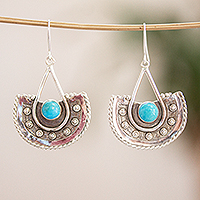 Bestseller
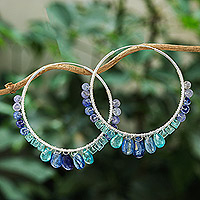 Bestseller
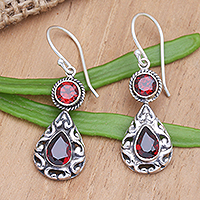 Bestseller
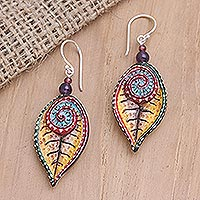 Bestseller
 Bestseller
 Bestseller
 Bestseller
 Bestseller
 Bestseller
 Bestseller
 Bestseller
 Bestseller
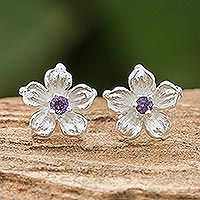 Bestseller
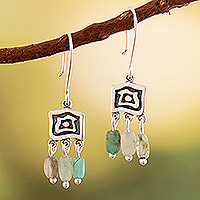 Bestseller
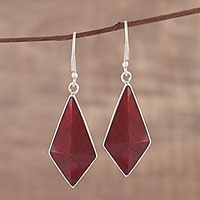 Bestseller
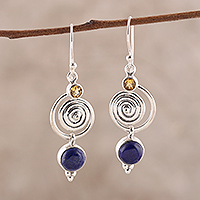 Bestseller
 Bestseller
 Featured Sale
 Bestseller
 Bestseller
 Bestseller
 Bestseller
 Bestseller
 Bestseller
 Bestseller
 Bestseller
 Bestseller
 Featured Sale
 Bestseller
 Bestseller
 Bestseller
 Bestseller
 Bestseller
 Bestseller